Find what worksheets help speaking fluency, from...
Learn more12 Best ESL Worksheet Websites for Busy Teachers

A worksheet is only useful when it fits the lesson in front of you. If your learners need A2 speaking support before a role-play, a random grammar page will not save your planning time. The best ESL worksheet websites make it quicker to find clear, level-appropriate materials that you can download, print and teach with confidence.
For busy teachers, the strongest resource libraries do more than offer a large number of files. They provide reliable organisation, practical instructions, printable formats and answer keys where they are needed. The right choice depends on your learners, teaching setting and the amount of adaptation you can realistically do before class.
What makes an ESL worksheet website worth using?
Start with how you plan lessons. A teacher working with mixed-ability teenagers may need differentiated grammar practice and group activities. A private tutor may value targeted worksheets for one learner’s specific error patterns. Online teachers often need materials that work both on screen and as a simple PDF handout.
The most useful websites usually make four things easy: finding resources by level, identifying the skill being practised, checking whether an answer key is included, and downloading a classroom-ready version without unnecessary formatting work. CEFR filtering is especially valuable when you teach across several levels, from A1 beginners to C2 advanced learners.
Price also matters, but free does not always mean efficient. A free worksheet that needs correcting, redesigning or explaining at length can cost more in preparation time than a well-made premium resource. Look for materials that match your teaching style and can be used as they are, while still leaving room to adapt an activity when your class needs it.
12 best ESL worksheet websites to consider
1. Print My English
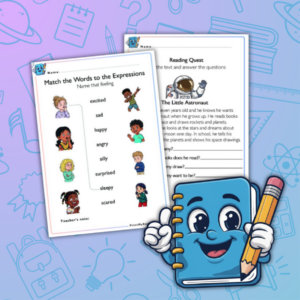
Print My English is designed for teachers who need premium, printable English resources without building every activity from scratch. Its library is organised by skill area and CEFR level, helping teachers move from a lesson objective to a suitable worksheet quickly.
The practical advantage is classroom readiness. Worksheets, flashcards, crosswords, tests and activities are made for immediate use, with answer keys included where appropriate. It is a strong choice for teachers who want dependable materials for individual lessons, small groups and full classes.
2. ISLCollective
ISLCollective has a large community-created collection of worksheets, video lessons and presentation resources. Its breadth is useful when you are looking for a niche topic, a seasonal activity or an alternative way to present familiar grammar.
Quality can vary because resources come from many contributors. Preview each file carefully for level, instructions, layout and language accuracy before printing. It works best as a broad source of ideas and supplementary practice rather than the only resource library in your planning routine.
3. Teach-This
Teach-This focuses on communicative English activities, including worksheets, role-plays, board games and speaking tasks. Many resources are structured around a clear classroom procedure, which helps when you need more than a standalone gap-fill exercise.
It is particularly useful for teachers building interactive lessons around grammar, vocabulary and functional language. Some activities require cutting, grouping or preparation of cards, so allow a little extra time if you are teaching a large class.
4. ESL Library
ESL Library offers structured lessons and printable activities across grammar, vocabulary, reading, listening and discussion topics. Its resources are often suitable for adult learners, workplace English and multi-level programmes.
The subscription model may make sense for schools and tutors who need consistent materials over time. Teachers looking for a single, quick printable worksheet may find the wider lesson format more than they need, but the consistency can reduce planning decisions across a full course.
5. Linguahouse
Linguahouse is known for polished lesson materials, particularly for adults and professional learners. Many worksheets are built around current topics, business communication, functional language and discussion-led lessons.
This makes it a useful option for one-to-one tuition and higher-level groups that need engaging content rather than basic drills. However, its style is less suited to teachers seeking large quantities of simple primary-level printables or quick beginner phonics practice.
6. British Council TeachingEnglish
British Council TeachingEnglish provides free classroom resources, lesson plans and professional-development content. Its materials are grounded in established teaching practice and can be a good fit for teachers who want trusted, clearly explained activities.
The range is valuable, but finding one specific printable can take longer than on a worksheet-first platform. Use it when you want a complete lesson idea, reading text or activity sequence alongside the worksheet itself.
7. Twinkl
Twinkl has an extensive catalogue of teaching materials, including English language resources, visual aids, displays and differentiated worksheets. It can be particularly helpful in schools where teachers need resources aligned with a wider curriculum or age group.
Its scale is both a benefit and a trade-off. There is plenty to choose from, but searches can produce many results. Teachers should check whether a resource is designed for native-speaker English teaching, EAL support or a specific ESL objective before using it.
8. Teachers Pay Teachers
Teachers Pay Teachers is a marketplace where educators sell and share original resources. It can be useful for finding themed packs, creative projects and materials for very specific classroom contexts.
Because the catalogue is created by individual sellers, quality, formatting and answer-key availability differ considerably. Read descriptions, inspect previews and check the licence terms before buying. It is best for filling a particular resource gap rather than maintaining a uniform worksheet system.
9. BusyTeacher
BusyTeacher has a long-standing collection of ESL worksheets, lesson plans and classroom ideas. Teachers can find materials covering grammar, vocabulary, reading, writing and common speaking themes.
The site is useful for variety, especially when you need an extra practice page or a topic-based activity at short notice. As with many large, contributor-led libraries, it pays to review worksheets for current language, formatting and suitability for your learners.
10. Breaking News English
Breaking News English creates English lessons around news stories, with multiple levels of tasks for each topic. The materials can support reading, vocabulary, discussion and listening practice while giving learners a reason to use language beyond the textbook.
This is a strong choice for older teenagers and adults, especially from intermediate level upwards. Some stories need careful selection for age, cultural context and classroom sensitivity, and teachers may wish to pre-teach key vocabulary for lower-level groups.
11. MES English
MES English offers printable flashcards, worksheets and games, with a particular focus on young learners and beginner vocabulary. The visual resources can be useful for introducing topics such as food, animals, classroom objects and daily routines.
It is most effective when paired with teacher-led games, drilling and speaking practice. Teachers of older learners or advanced classes will usually need a more developed source of reading, grammar and discussion materials alongside it.
12. Games4esl
Games4esl combines printable worksheets with game-based classroom activities, PowerPoint materials and simple teaching ideas. It is well suited to primary-age learners and beginner classes that need movement, repetition and visual support.
The activities can make revision more lively, but they should still serve a clear language aim. Choose a game because it practises target vocabulary or a grammar pattern, not simply because it fills five minutes at the end of the lesson.
How to choose between the best ESL worksheet websites
Rather than subscribing to every platform, build a small resource mix that reflects what you teach most often. A general printable library can cover daily grammar, vocabulary and skills practice. A communicative resource site can provide speaking activities. A news or business-English source can add authentic, adult-focused content when needed.
Before saving a worksheet, ask whether learners can understand the task independently, whether the language matches their level, and whether the activity produces useful practice rather than more marking. Also consider the classroom reality: can you print enough copies, explain the instructions quickly and check answers efficiently?
Answer keys are not a minor extra. They protect your preparation time, support substitute teachers and make it easier to set independent work. Clear page design matters too. A crowded worksheet may contain good questions, but it can overwhelm beginners, frustrate dyslexic learners or create avoidable confusion in a busy classroom.
Use worksheets as part of a lesson, not the lesson itself
The best printable resources work hardest when they have a clear role. Use a vocabulary worksheet after a short presentation, a grammar task before pair speaking, or a reading page as preparation for discussion. This keeps the worksheet focused and gives learners a reason to use what they have practised.
A dependable resource library will not replace your judgement as a teacher. It will give you back the time to notice learner needs, adapt your instructions and make the lesson feel purposeful. Choose materials that reduce the preparation burden while leaving more of your attention for the people in the room.
- July 16, 2026
- 2:56 pm
Share this article
7 Ways to Reduce Teacher Workload and Prep Time
Reduce teacher workload with practical planning systems,...
Learn more
Tests Versus Quizzes: What Teachers Should Use
Tests versus quizzes serve different classroom purposes....
Learn more
Teacher’s Guide to Printable Spelling Activities
This guide to printable spelling activities helps...
Learn more